

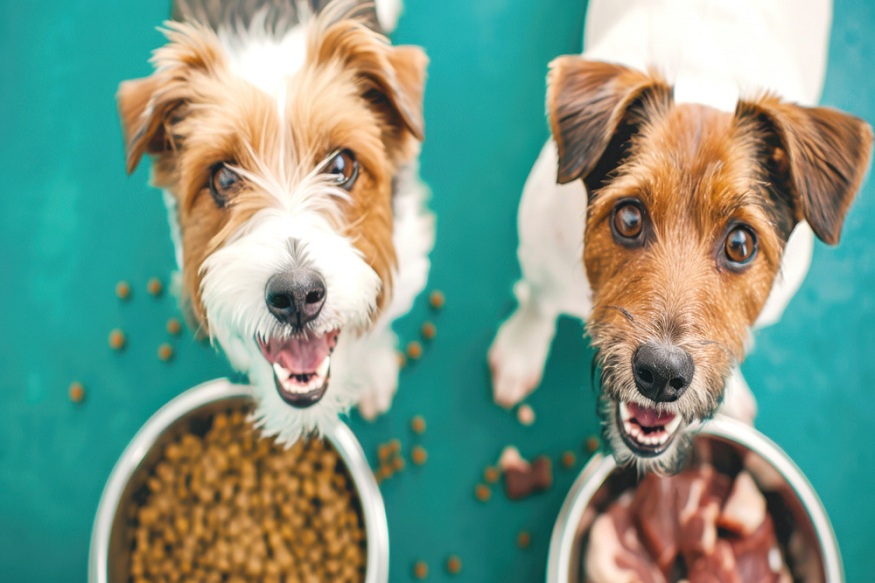
Dog breath stinks. Let’s be real here. Many people think it’s just par for the course when they own a pet. But the smell from your dog’s mouth might be from what they eat. It might surprise you how much their food impacts their breath.
The Protein Problem Nobody Talks About
Here’s the thing about protein. Dogs wolf down too much of it, and their mouths turn into bacteria central. Meat particles get stuck between teeth after dinner. Then they rot. Decomposition produces sulfur compounds like those in rotten eggs.
So what can you do? Cut back a little. Protein is still a must for your dog, no doubt. But perhaps not as much as what they’re receiving. Incorporate some vet-approved vegetables and grains. A diet with diverse foods is better than one that includes only meat.
Wet Food vs. Dry Food: The Great Debate
Those commercials make wet food seem very glamorous. It probably tastes better too. But soft food doesn’t do much for teeth cleaning. The mushy texture just sits there. No scraping action happens when your dog eats it. Meanwhile, plaque builds up like crazy. Kibble works differently. Each crunch scrapes teeth a bit. Not perfectly, mind you. You still need to brush those canine teeth regularly. But dry food helps between brushings. Many vets suggest mixing wet and dry food or buying specific food for dogs with bad breath from a brand like Nextrition. You get nutrition from the wet stuff and some cleaning action from the kibble. Best of both worlds.
Sugar Sneaks Into Everything
Dog food companies slip sugars and carbs into their products left and right. Sweet potatoes here, corn syrup there. These ingredients feed mouth bacteria like you wouldn’t believe. The bacteria multiply fast. They pump out acids and gases. Hence the awful smell that makes you turn your head during cuddle time. Read those labels. The first ingredients listed provide key information about the product. Pick foods with fewer simple carbs. Your nose will appreciate it when your pup comes in for a smooch.
Fish-Based Diets Create Their Own Challenges
Fish is healthy. Omega-3s are excellent for your dog’s coat and joints. The lingering smell of fish persists, though. The soft tissues in your dog’s mouth absorb the oils quickly. Even after a few hours, you can still smell salmon or tuna. Want to keep feeding fish? Go for it. Just rotate it with chicken or beef throughout the week. A little fresh parsley mixed into meals helps too. Mint works as well. Just a pinch though – dogs don’t need much.
Dehydration Makes Everything Worse
A dry mouth can cause bad breath. Water gets rid of food bits and fights germs. If your dog’s not getting enough water, its mouth will stink. If saliva is reduced, then the mouth won’t naturally clean itself as much after meals. Fresh water should always be available. Some picky drinkers prefer fountains because the water moves. Others need tricks to drink more. A bit of low-sodium broth mixed in usually does the job. During the summer, ice cubes turn hydration into a game.
Conclusion
Bad breath tells you plenty about your dog’s health and eating habits. You don’t have to accept nose-wrinkling halitosis as normal. Tiny adjustments to their food can be very effective. Start by altering just one thing. Wait a couple of weeks. See what happens. If the odor remains, even after trying, go see the vet. Sometimes, breath problems signal bigger issues than diet alone. But most of the time? A few simple changes turn those doggy kisses from unbearable to almost pleasant.